

Articles Curated by Formula SAE Judges
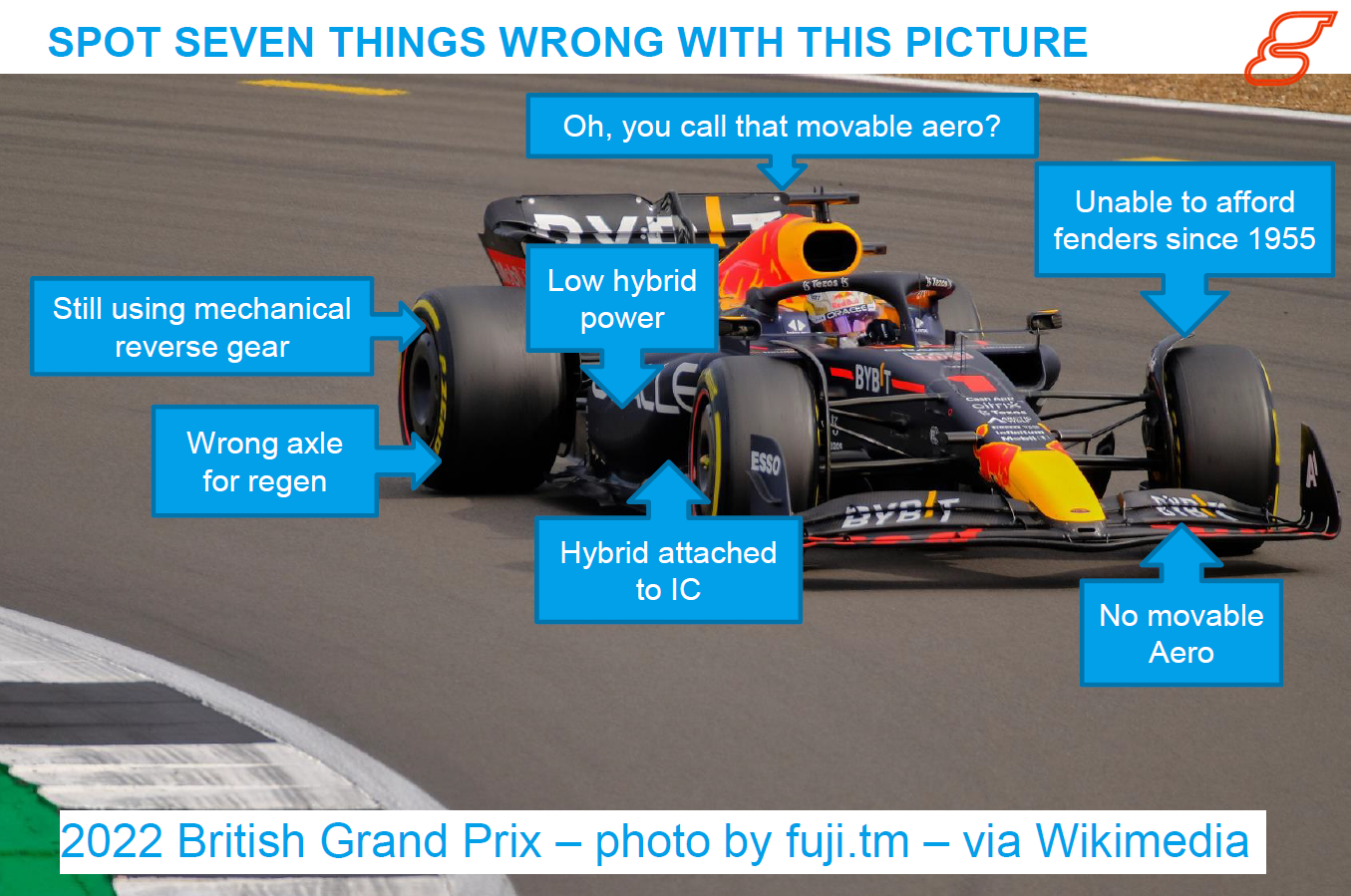
EV Vs IC Race Car Architecture
An energy budget is needed to understand endurance. Energy efficiency is as important as mass, power, aero, mu. Spend energy as efficiently as possible to generate speed.
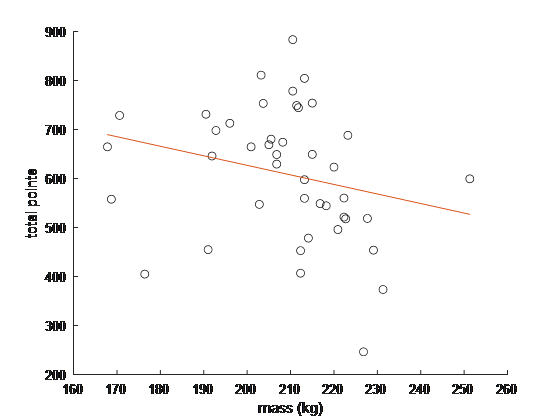
Do Lighter Racecars Get More Points?
Do lighter racecars go faster? Does mass even matter? Should a mass target be a key design goal? Low mass is often taken to be a virtue in FSAE/FS racecars, and often chosen as a design strategy for improvement in performance. But does low mass really pay off?

A Recipe for Success in the Cost and Manufacturing Event at FSAE Michigan
The Cost Report is a Bill of Materials detailing the costs to produce the team’s prototype vehicle using standardized cost references.
The Cost Scenario asks for each team’s strategic response to an event outside their control.

Conceptual and Objective Design in FSAE
How to find the optimum concept for your overall racecar
How to nail down the concept before putting effort into perfecting its systems
How to get more design points for overall racecar design
How to create a design process that can be handed down to succeeding teams
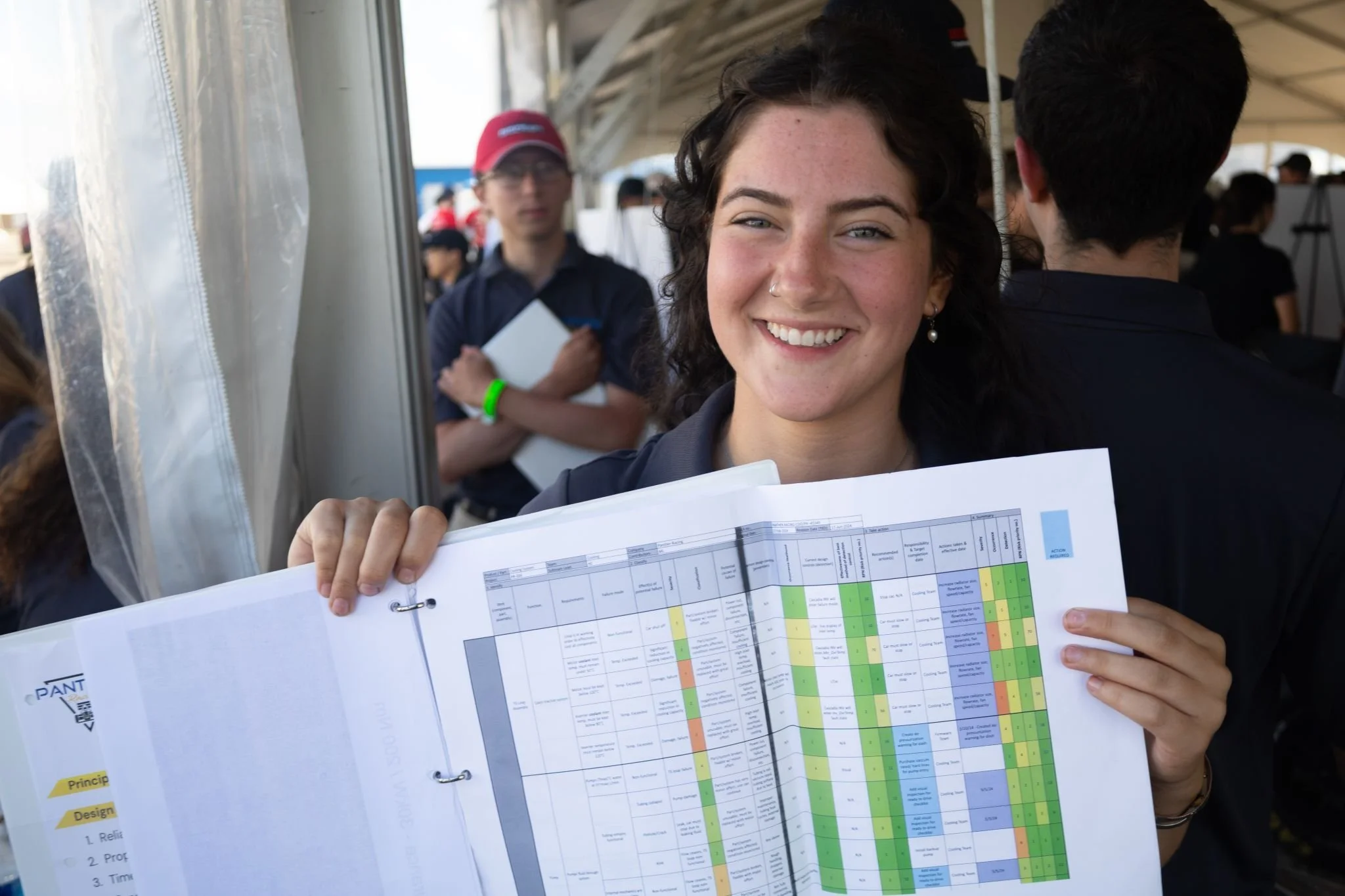
FMEA (Failure Modes and Effects Analysis) and its Usage in FSAE
FMEA can capture the dangerous things cars may do when put in an unsafe state, and can help the team verify they meet and exceed safety regulations and requirements.

Why Do Engineers Need Social Skills?
Think about what other people are thinking.
Give honest feedback without being a jerk.
Take your own and your team’s feelings seriously.

A Faculty Advisor’s Perspective on Formula Design Judging
Notes for students
Notes for Design Judges
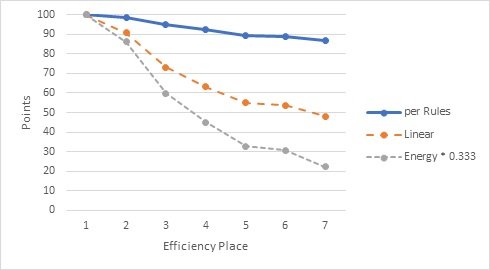
Early Notice of Proposed Efficiency Rule Change for Formula SAE 2024
Increase point spread in efficiency event
Use linear scoring formula.
Reduce EV energy limit to 33% of IC

EV Performance Fundamentals
Engineer a strong battery lifespan
EV Efficiency is as important as mass, downforce, drag, power, and mu.
Create tools for drivers to manage energy
Add regenerative braking later

Starting A Formula SAE Team From Scratch
Set up business and school relationships.
Recruit and organize a team.
Write and raise a budget.
THEN design and build the car.

Field Guide To Design Finals
In the time it takes to read this sentence, design finalists are capable of presenting data from the same day’s Autocross, along with analysis of which assumptions the data validates or invalidates, how it fits with all their other testing, and what the next steps are to continue improving the car and drivers. They do this for everything, all year.

Competitive Intelligence
Doing research, reverse engineering, setting design targets. Additional insight for teams thinking about making the EV transition.

The Indigo Story
They made a whole host of small changes that were almost imperceptible to the eye but aerodynamically significant. They also gave the car a nose-down rake by lowering the front suspension and raising the rear, both ever-so-slightly. All of the changes made the car significantly safer to drive at high speed. But the Ford Indigo was never going to be driven at high speeds as a show concept car – right?

Overall Vehicle Priorities
To manage priorities, ask four questions about every design decision, in this order: 1. Is it legal or illegal? 2. How does the change affect reliability or repeatability? 3. How does the change affect overall vehicle performance over a lap? 4. What are the drivability effects?

An Introduction to Cost in Engineering
Engineering is about finding the Goldilocks Solution. Cost is not separate from engineering; indeed it must go hand in hand with it. Good engineering practice goes beyond the merely technical, and encompasses knowledge of customers, supply chain, society, environmental impact etc.

A Field Guide to the Design Event
Chris Warren provides some tips for what to expect and how to approach the design event.

Writing the Design Report
Instead of thinking that you have to fill up X number of pages for the design report, the mentality should be “how can we fit all of our knowledge and work into these pages?”

Setting Winning Priorities
Ryan Kraft, former member of the #1 world ranked University of Michigan FSAE team, discusses how to set priorities for how your team defines winning and ways to pursue them.

Coarse-To-Fine Design
As you move through the design process, you start with insight, then gradually trade insight for accuracy.

Four Ways To Use Data
Defining requirements, validating models, on-car tuning, and understanding the root cause of problems. The process of developing and troubleshooting a steering system.